
Student loan wage garnishment
A student loan garnishment notice gives you 30 days to ask for a hearing and asking in time holds off the withholding.
Student loan garnishment in 2026: paused, but not over
Federal Student Aid says student loan wage garnishment on defaulted federal loans is paused. The Education Department announced the delay on January 16, 2026, the National Consumer Law Center reports. A restart needs a new 30-day notice, so open every letter from your loan holder.
Why student loan wage garnishment needs no judge
Federal law lets the loan holder order your employer to withhold pay without taking you to court. Federal Student Aid calls this administrative wage garnishment. A card company must sue first, which is why the notice letter is your main chance to respond.
The 15% limit
The cap is 15% of disposable pay, the pay after required deductions. Pay at or below $217.50 a week stays protected. State limits do not lower this number, so a Texas or Pennsylvania borrower can still be garnished.
On $800 a week of take-home pay, up to $120 a week could go to the loan holder once garnishment restarts.
What does my notice mean?
What your notice says
The date printed on your paper is the one to beat. Call with it in front of you and a specialist goes through it with you.
Call 833-991-9547The 30-day notice and your hearing
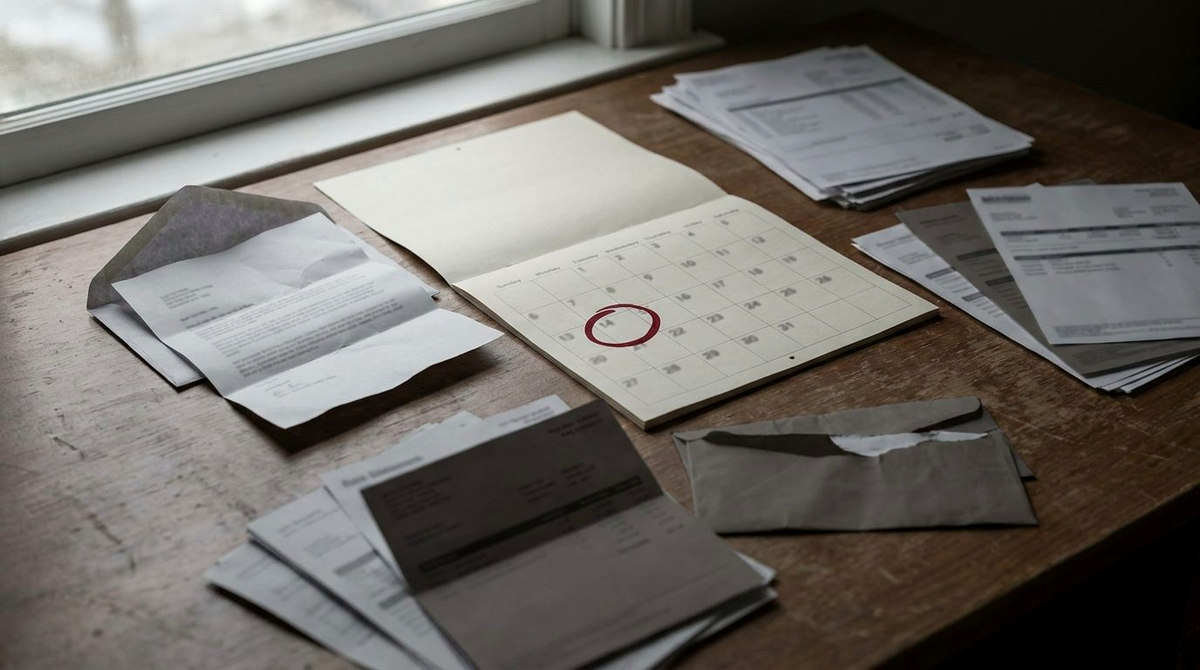
The notice must say the loan holder intends to garnish in 30 days, how much you owe and your right to object. Keep the envelope, since dates count from when it was sent.
To get a hearing, mail a written request postmarked no later than 30 days from the notice date. You can argue the debt is wrong, that 15% would cause extreme financial hardship or that you lost a job recently. A repayment deal also stops it if the first payment arrives within 30 days.
Getting out: rehabilitation and consolidation
Leaving default is the lasting fix. Federal Student Aid lists two main ways out.
- Rehabilitation: agree to nine monthly payments and make all nine within 9 or 10 months. A payment can be as low as $5. When it is done, garnishment stops and the default is removed.
- Consolidation: roll the defaulted loan into a new Direct Consolidation Loan. It is faster, but the default stays on your credit history.
Garnishment can keep running during rehabilitation until the loan leaves default. From July 1, 2027, each loan can be rehabilitated twice.
Private loans are different
A private student lender must sue, win a judgment and then follow the federal 25% cap and your state’s rule, like a card company. Private loans also have a time limit for suing. The CFPB says most states set three to six years, while federal loans have none.
Common garnishment questions
How much of my wages can they garnish for student loans?
Up to 15% of your take-home pay for a defaulted federal loan. Pay at or below 30 hours of the federal minimum wage each week is protected.
When will student loan garnishments resume?
The Education Department announced a delay on January 16, 2026 and its collections page still says garnishment is paused. No restart date is posted, so watch your mail for a 30-day notice.
What happens if you never pay off student loans?
Federal student loans have no statute of limitations, so collection can continue for decades. Leaving default through rehabilitation or consolidation is the way to end it.
Can private student loans garnish wages?
Only after the lender sues and wins a judgment. Then the regular 25% federal limit and your state’s rules apply. See how judgment garnishment works.
Fight for the 15% in your paycheck
Rehabilitation or consolidation can end the default and the garnishment with it. Call now and we go through which one fits your loan.
Call 833-991-9547